How to Treat Wastewater Generated from Coal Washing
 March.31,2026
The wastewater produced during the coal washing process is commonly referred to as “coal slurry.” It contains a significant amount of fine coal particles, silt, and chemical reagents added during the flotation process; due to its stable nature, it does not readily settle naturally.
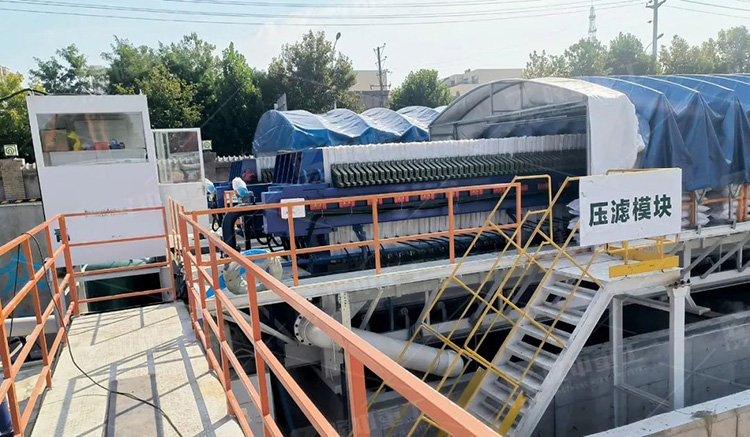
The primary objective in treating coal slurry is to achieve the “recycling of clarified water” and the “recovery of coal fines”—a process known as a “closed-loop washing water cycle.” This approach is crucial for conserving water resources and protecting the environment.
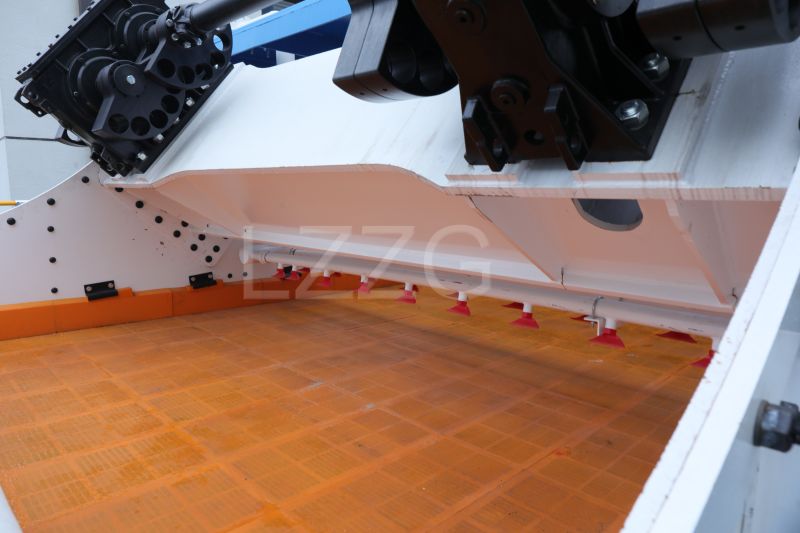
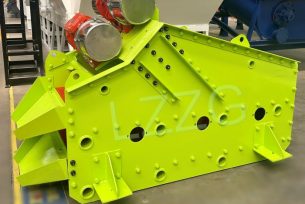
Products such as clean coal first undergo preliminary dewatering using de-medium screens and vibrating screens to remove the majority of free water. Subsequently, they are fed into equipment such as centrifuges and filter presses for a secondary, in-depth dewatering stage, reducing their moisture content to levels that meet standards for transportation and storage.
Coal Slurry Treatment and Recovery
The coal slurry generated during the washing process is directed into a thickener, where the coal fines are recovered through processes such as sedimentation and pressure filtration. The treated, clarified water can then be recycled for reuse, thereby establishing a closed-loop washing water cycle and achieving “zero discharge”.