Differences between Vibratory Motors and Vibrators
 June.05,2026
While both vibratory motors and vibrators are core components providing excitation force for vibrating machinery, they differ significantly in their structural principles, power sources, and application scenarios.
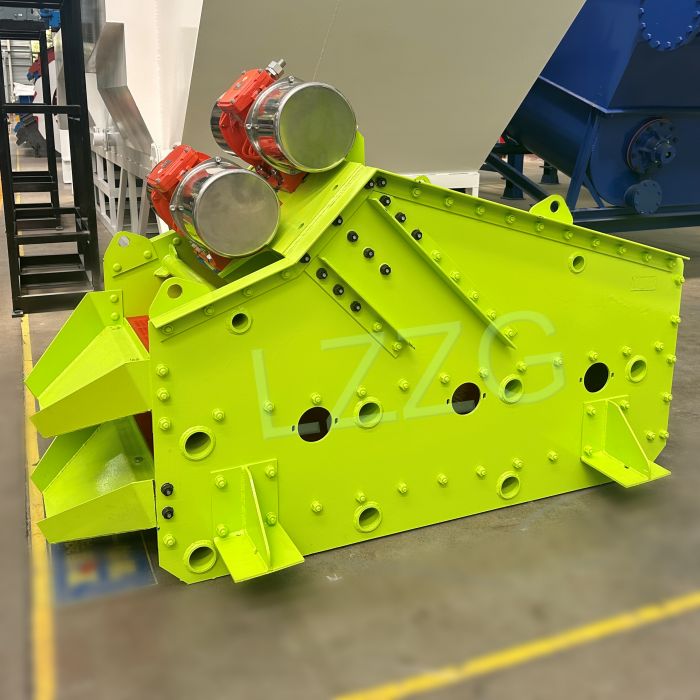
Vibratory Motor
A vibratory motor is a device that integrates a power source and a vibration source. It is itself a motor, utilizing the centrifugal force generated by the high-speed rotation of its rotor shaft through adjustable eccentric blocks at both ends to directly generate excitation force.
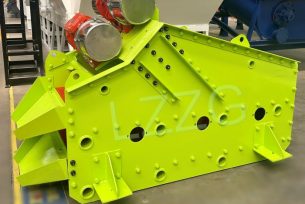
Widely used in various small and medium-sized vibrating machinery, such as vibrating screens, vibrating feeders, vibrating conveyors, and silo anti-clogging devices.
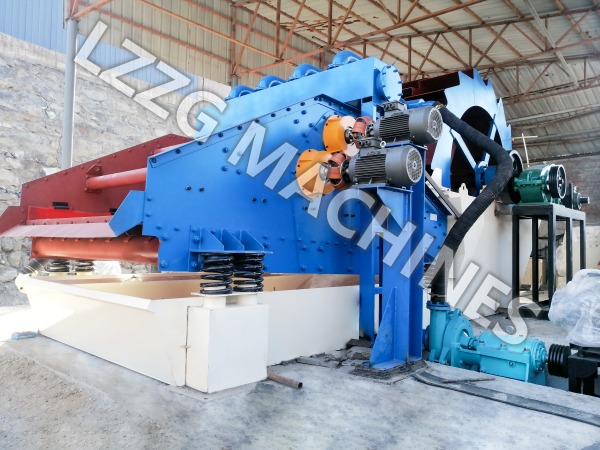
Vibrator
A vibrator does not directly generate power but requires external power. It typically uses a general-purpose electric motor that transmits power through a coupling (or flexible connection), driving the eccentric shaft or eccentric blocks inside the vibrator to rotate and generate vibration.
A vibrator does not directly generate power but requires external power. It is usually powered by a standard general-purpose electric motor, which transmits power through a coupling (or flexible connection) to drive the eccentric shaft or eccentric blocks inside the vibrator to rotate and generate vibration. Vibrator: It is mostly used in large vibrating equipment with higher requirements for excitation force and larger participating mass, such as large vibrating screens, heavy vibrating feeders (or bar feeders), etc., and is the ideal excitation source for these large equipment.