Differences Between Spiral Classifiers and Spiral Sand Washers
 July.02,2026
1. Differences in Application Scenarios
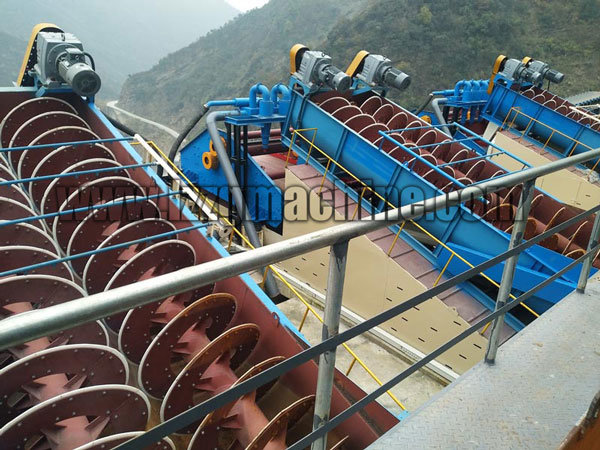
Spiral Classifiers are primarily used for material classification and screening. Based on differences in particle size and settling velocity, they separate mixed material into coarse fractions (underflow/sands) and fine fractions (overflow). They are typically paired with ball mills to form a closed-circuit grinding system.
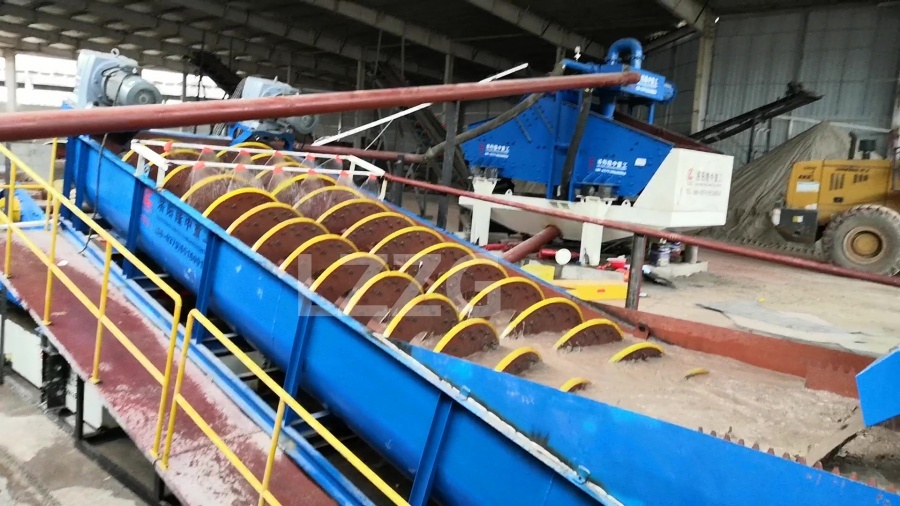
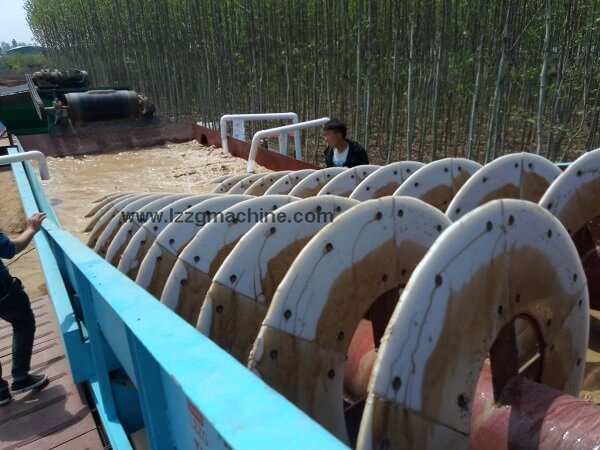
Spiral Sand Washers are mainly used to remove impurities—such as soil and dust—from sand and gravel. Through spiral agitation and water rinsing, they improve the cleanliness of the sand. They are suitable for applications requiring high-purity sand, such as construction sand and foundry sand.
2. Differences in Structure
Spiral Classifier:
Features a shallower tank and a lower inclination angle (typically 12°–18°) to facilitate particle settling and classification.
Uses widely spaced spiral blades and operates at a lower rotational speed to minimize disturbance to the settling process.
Typically lacks high-pressure water spray devices, relying primarily on gravity settling to separate materials.
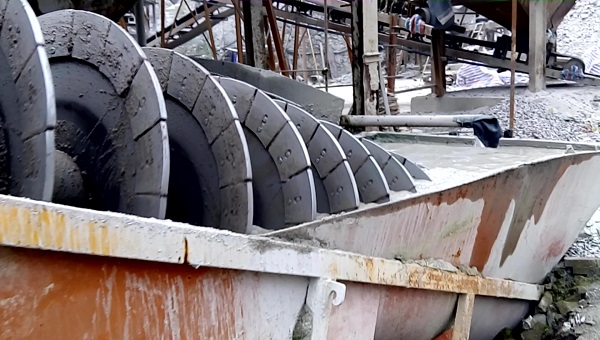
Spiral Sand Washer:
Features a deeper tank and a steeper inclination angle (15°–20°) to extend the washing duration.
Uses more closely spaced spiral blades and is equipped with a high-pressure spray system to enhance cleaning efficiency.
Some models include an overflow weir to facilitate the discharge of wastewater and impurities.