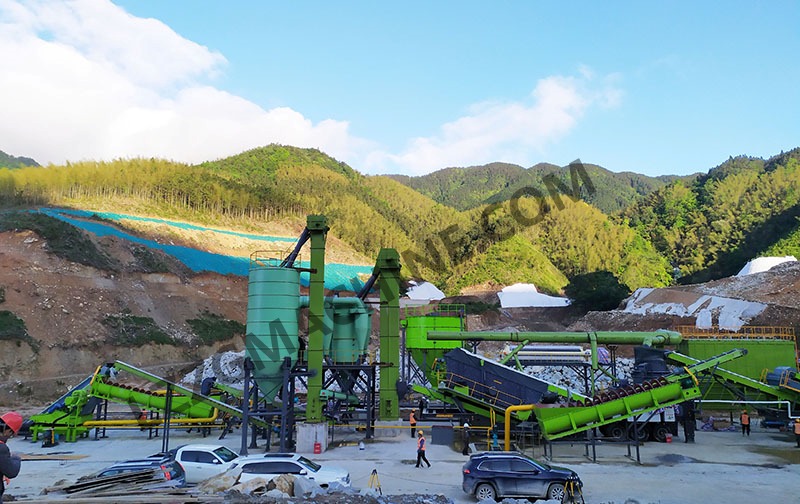
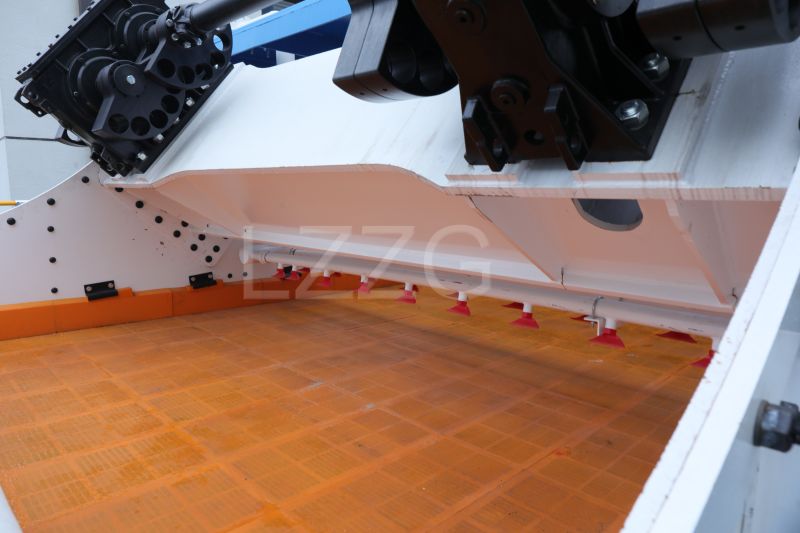
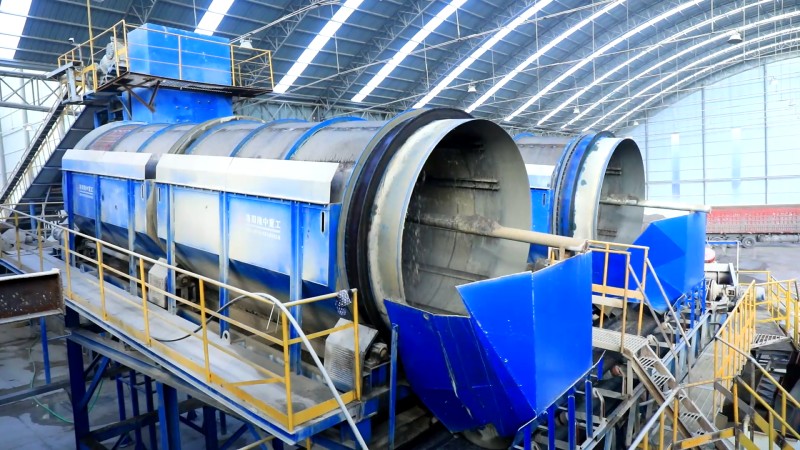
Chrome Ore Washing Plant Beneficiation Process
 January.27,2026
As is well known, low-silica chromium ore with an SiO2 content of less than 2% is almost non-existent in natural chromium ore and must be obtained through beneficiation purification. Therefore, research on the beneficiation and silica reduction process of refractory-grade chromium ore is of particular importance for the development of magnesium, aluminum, and chromium series refractory materials.
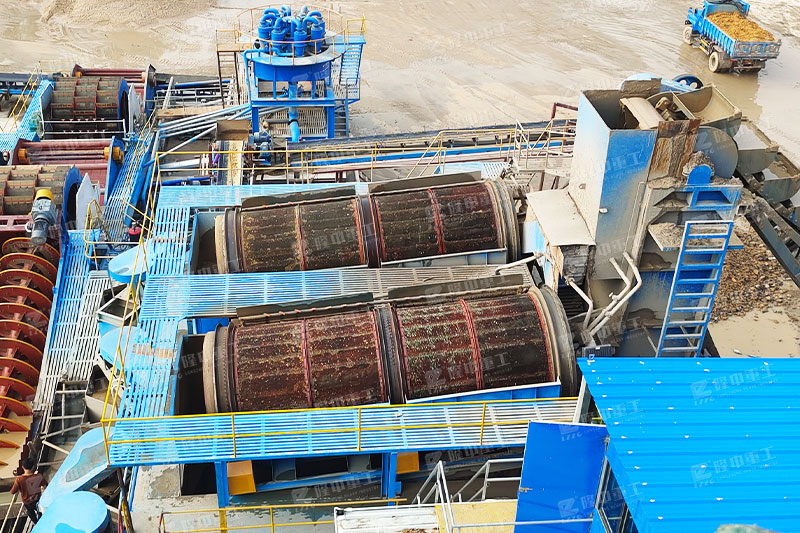
The chromium ores from Sartohai in Xinjiang and Hongqi in Tibet have similar properties. The main mineral is chromium spinel, with a content of approximately 85%–90%. The chromium mineral grain size is generally 1–5 mm, with a minimum of 0.3–0.5 mm. Gangue minerals are mainly chlorite and serpentine, distributed as fine scaly aggregates and colloidal fibrous structures between chromium mineral grains and in fissures, with a maximum grain size of 0.15 mm × 0.075 mm and generally less than 0.008 mm. The ore properties indicate that the silica-containing minerals are extremely finely embedded in the chromium ore, requiring appropriate fine grinding for individual liberation. The chrome ore washing plant employs a process of one-stage grinding to 0.3 mm followed by a two-stage spiral sluice gate and a one-stage centrifugal concentrator, achieving good beneficiation results.
Xinjiang chromium ore: When the ore feed contains 33.65% CrO3 and 6.01% SiO2, a low-silicon chromium concentrate with 37% Cr2O3 and 1.76% SiO2 can be obtained.